
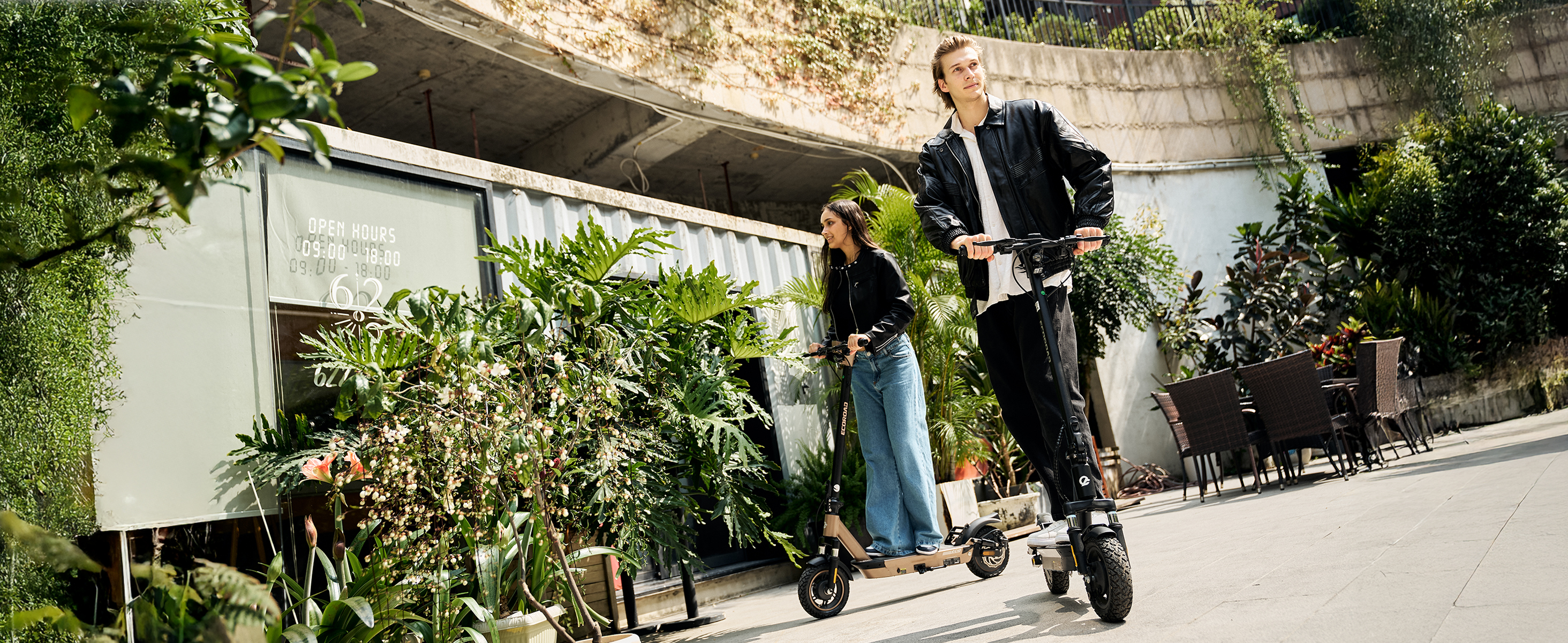
The Short Answer: It's Rarely Just One Thing
If your e-scooter takes a beat longer than expected to get moving, the most likely explanation is a mix of factors working against each other at once: a lower riding mode, a partly drained battery, added rider weight, or a slight incline. None of these mean your scooter is broken. They just mean the motor isn't getting the conditions it needs to deliver its full power. Understanding what actually drives acceleration is the first step to riding smarter, and to knowing when a fast accelerating electric scooter with more torque might genuinely make your daily ride better.
Why Does an Electric Scooter Accelerate Slowly?
Acceleration is the result of several systems working together, and any one of them can slow things down. The most common culprits include:
Riding mode - Eco or beginner modes intentionally limit power delivery
Battery charge level - A lower charge means less available current for the motor
Rider weight - Heavier riders require more torque to reach the same speed
Motor power and torque - Lower-wattage motors simply have less pulling force
Controller behavior - Some controllers ramp up power gradually for smoothness and safety
Incline - Uphill starts demand far more torque than flat ground
Tire pressure - Underinflated tires increase rolling resistance
Temperature - Cold weather temporarily reduces battery output
Battery condition - Older batteries lose their ability to deliver quick bursts of power
If your scooter has always felt this way, it's likely a spec issue. If it used to feel quicker and has recently slowed down, it's worth checking tire pressure, battery health, and riding mode before assuming anything is wrong.
Acceleration vs. Top Speed: What's the Difference?
These two numbers get lumped together constantly, but they measure completely different things. Top speed is how fast a scooter can eventually go on a flat, clear stretch. Acceleration is how quickly it gets there. A scooter can have an impressive top speed rating and still feel slow off the line if it lacks torque, which is the twisting force that gets the wheels moving in the first place.
This is why two scooters with similar top speeds can feel nothing alike in real-world riding. A fast accelerating electric scooter isn't necessarily the one with the highest number on the spec sheet. It's the one that gets you up to a comfortable speed quickly, without a long, sluggish ramp-up. If quick starts at stoplights or crosswalks matter more to you than a high top-end number, acceleration is the spec worth paying attention to.
How Motor Power and Torque Affect Acceleration
Motor wattage tells you how much power a scooter can produce, but torque tells you how effectively that power turns into motion. A higher-wattage motor generally means an electric scooter with high torque, which translates directly into quicker starts, better hill climbing, and less strain when carrying extra weight or cargo.
Why a Dual Motor Electric Scooter Feels Different Off the Line
A dual motor electric scooter splits power delivery across both wheels instead of relying on a single motor to do all the work. That extra torque, combined with better traction from two driven wheels, is why a powerful dual motor scooter often feels noticeably quicker off the line than a single-motor model with a similar top speed rating. Riders who regularly climb hills, carry gear, or simply want stronger response from a stop tend to notice this difference the most.
Can Battery Charge Affect Acceleration?
Yes, and it's one of the most overlooked reasons for weak acceleration. A scooter's controller pulls current from the battery to power the motor, and as charge drops, especially below 20%, many batteries can't deliver current as quickly or consistently. The result feels like weaker throttle response, even though the battery still shows enough charge to finish the ride.
This is one reason a fast accelerating electric scooter with a healthy, well-maintained battery performs so differently from the same model running on a low or aging pack. Charging fully before longer rides, avoiding deep discharges, and storing the battery properly all help preserve consistent acceleration over time.
How Rider Weight and Terrain Change Performance
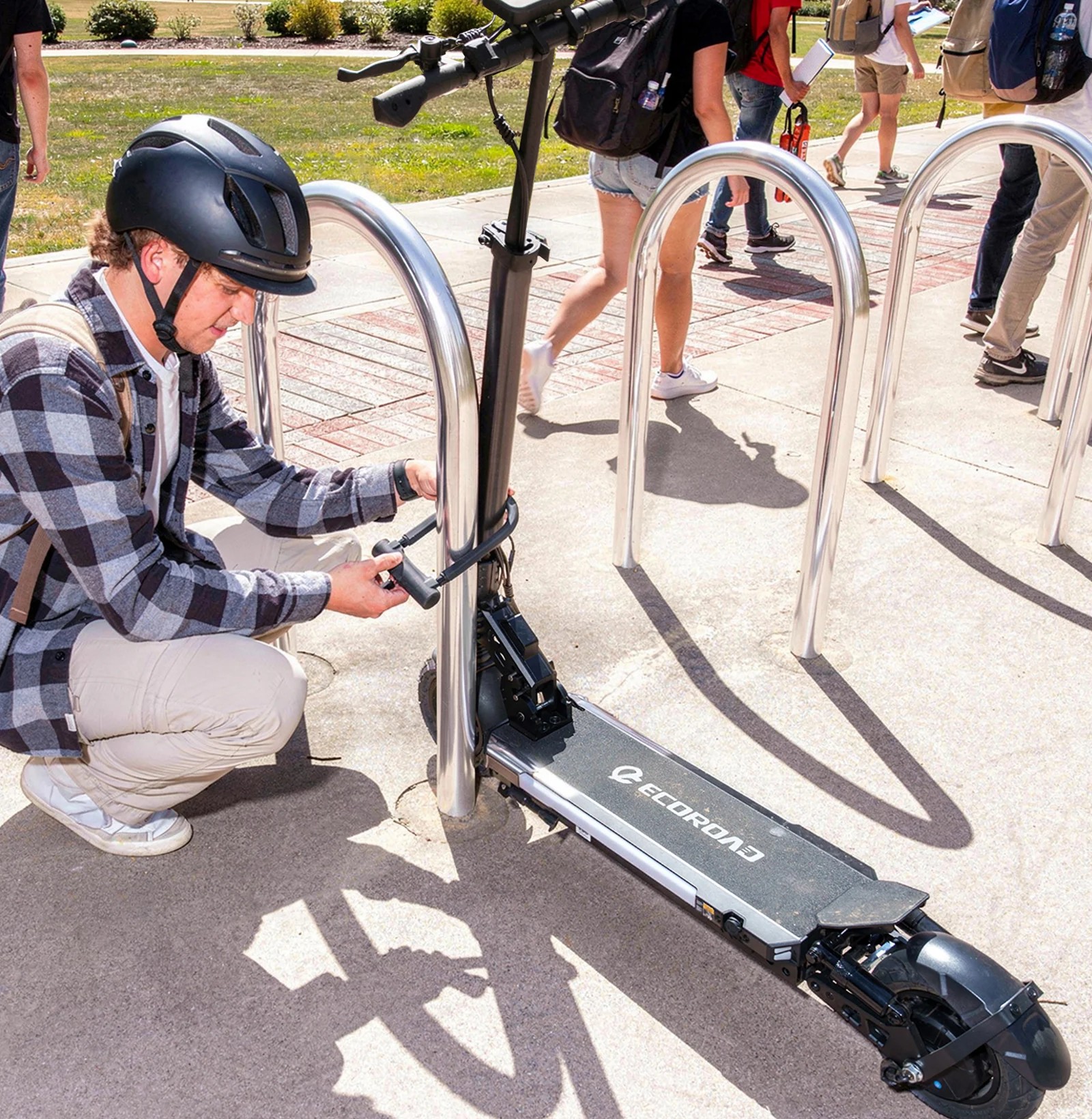
(ECOROAD ES4 Electric Scooter)
Physics doesn't care about spec sheets. A heavier rider or a loaded backpack means the motor has to work harder to produce the same acceleration, and hills add even more resistance on top of that. This is why riding uphill, or riding with a passenger or heavy cargo, almost always feels slower than a flat, unloaded ride, even on the same scooter.
A few practical adjustments can help:
Switch to a higher power mode before climbing hills, not during
Keep tire pressure at the manufacturer's recommended PSI
Distribute cargo weight evenly and avoid overloading the max rider weight limit
Warm up the battery briefly in cold weather before demanding full throttle
If you regularly ride hilly routes, carry gear, or exceed the average rider weight most entry-level scooters are designed around, a high performance electric scooter with a higher torque rating will feel far more capable than a standard commuter model in the same situations.
When Should You Consider a Faster Accelerating Electric Scooter?
If you've checked riding mode, battery charge, tire pressure, and temperature, and your scooter still feels underpowered for your commute, it may simply be under-specced for how you ride. Riders who deal with steep hills, longer commutes, higher body weight, or frequent stop-and-go traffic often get the most benefit from upgrading to a fast accelerating electric scooter built around a stronger motor and higher torque output.
ECOROAD's ES6 Dual Motor Electric Scooter is a good example of this kind of upgrade, since its dual motor setup is designed for quicker response and stronger hill performance than a single-motor scooter. For riders who want extra power without going full dual motor, the ET8 Electric Scooter offers a higher-wattage single motor built for tougher terrain. And if your priority is simply more confident everyday acceleration for city riding, the ES6 Electric Scooter strikes a solid middle ground between power and everyday practicality.
For more on keeping your scooter performing the way it should, ECOROAD's guide on how to avoid overheating your electric scooter covers how heat can quietly sap acceleration, and the electric scooter maintenance checklist walks through the routine checks that keep power delivery consistent.
Riding Smarter Starts With Understanding Your Scooter
Slow acceleration usually isn't a mystery once you know what to look for. Riding mode, battery charge, weight, terrain, and motor torque all play a role, and most of them are things you can check or adjust yourself. If you've ruled those out and still want more punch off the line, that's when it's worth looking at a scooter built with stronger torque and dual motor power from the start.
What E-Scooter Riders Want to Know
Does a higher top speed mean faster acceleration?
Not necessarily. Top speed and acceleration are measured differently, and a scooter can have a high top speed while still feeling slow to get there.
Why does my scooter feel slower in cold weather?
Cold temperatures temporarily reduce how efficiently a battery delivers current, which can make acceleration feel noticeably weaker.
Is a dual motor scooter always faster to accelerate than a single motor scooter?
In most cases yes, since power is split across both wheels, giving a dual motor electric scooter more combined torque and better traction from a stop.
Can tire pressure really affect acceleration?
Yes, underinflated tires increase rolling resistance, which forces the motor to work harder just to reach the same speed.
Should I always ride in the highest power mode?
Not necessarily. Higher modes use more battery and can reduce control for new riders, so it's worth matching the mode to the terrain and your comfort level.