
Learn the Basics Before the Busy Route
The biggest electric scooter beginner mistakes are riding too fast too soon, braking late, standing too stiffly, ignoring tires, choosing stressful routes, and forgetting that battery range changes with weather, hills, speed, and rider weight. New riders should start with control, balance, visibility, and route planning before using a scooter for regular commuting.
That matters because riding conditions can change quickly. A route in Toronto, Vancouver, Calgary, Ottawa, Montreal, or Waterloo may include smooth paths, rough pavement, road grit, wet leaves, traffic, and changing rules. The scooter may be simple to operate, but safe riding still takes practice.
ECOROAD’s electric scooter collection includes lightweight commuter scooters and stronger daily-use models. Choosing the right scooter helps, but avoiding beginner mistakes matters just as much.
Mistake 1: Starting Too Fast
Speed feels fun, but beginners need time to understand throttle response, balance, and stopping distance. Start slowly and practise in a flat, open area before riding near cars, pedestrians, or cyclists.
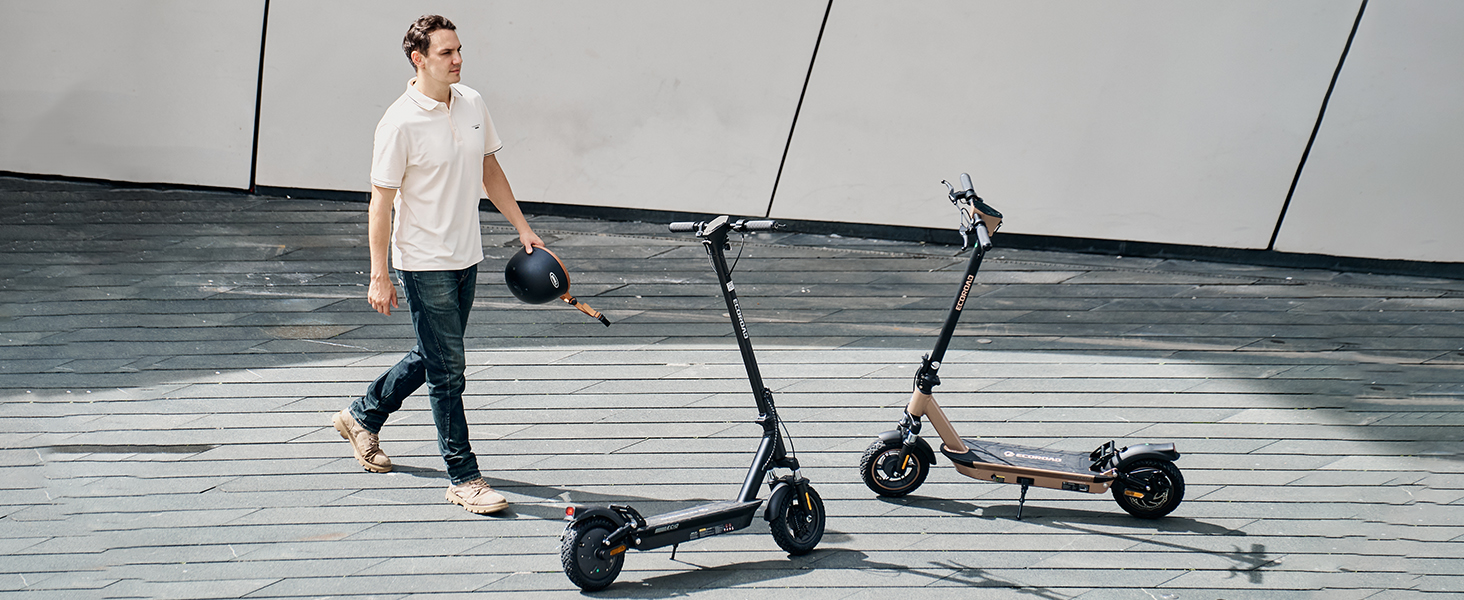
The ECOROAD EC8 Electric Scooter lists a 450W peak motor, 30 km/h top speed, 34 km range, and 13.2 kg weight. It can suit shorter trips and transit connections, but even a lighter scooter should be learned gradually.
The first rides should feel almost too easy. That is good. Easy is where skill starts growing quietly in the background.
Mistake 2: Braking Too Late
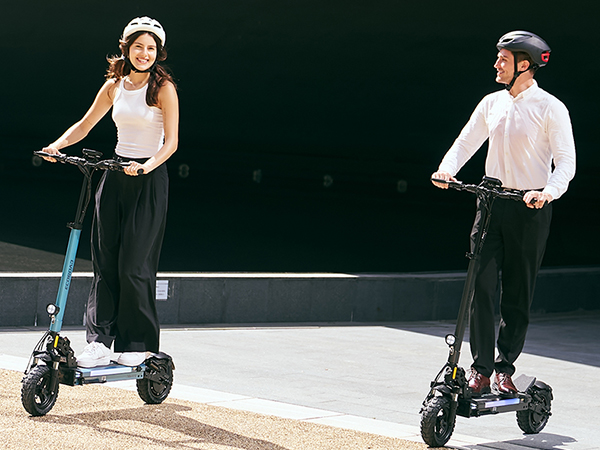
Late braking makes scooter riding feel much harder. Wet pavement, gravel, leaves, road grit, and downhill paths can all increase stopping distance.
Practise braking before riding in traffic. Roll slowly, brake gently, and learn how much space the scooter needs. Then practise from slightly higher speeds.
ECOROAD’s guide on why brakes are the most important feature on an electric scooter is especially useful for beginners because braking is the skill that turns nervous riding into controlled riding.
Mistake 3: Standing Too Stiffly
Many new riders lock their knees or hold the handlebars too tightly. That makes the scooter feel shaky over bumps and cracks.
Keep your knees slightly bent, shoulders relaxed, and eyes looking ahead. Let your legs absorb small bumps. Hold the bars firmly, but do not fight every tiny movement.
This matters on roads, especially after winter. Potholes, construction patches, and curbside grit can make a stiff riding position feel miserable.
Mistake 4: Ignoring Tire Condition
Tires affect grip, comfort, braking, and battery range. Before riding, check for low pressure, cracks, worn tread, embedded debris, or flat spots.
ECOROAD’s article on light off-road tire scooters in city riding is useful for understanding why tire setup matters in everyday riding.
The ECOROAD ES4 Electric Scooter lists an 800W motor, 40 km/h top speed, 56 km range, 8.5-inch off-road tires, and 150 kg max load. Those specs can help on rougher pavement, but tire condition still decides how the scooter feels.
Mistake 5: Choosing the Shortest Route
A shorter route is not always safer. A direct road may have fast traffic, rough pavement, poor lighting, or no protected space for scooters.
Beginners should look for calmer routes, bike lanes where scooters are allowed, smoother pavement, and fewer stressful intersections. In Vancouver, that may mean using connected bike routes where permitted. In Toronto, it may mean avoiding high-traffic arterials. In Calgary or Ottawa, pathway rules should be checked before riding.
Always follow local regulations. E-scooter rules vary by province and municipality, which is deeply inconvenient but very real.
Mistake 6: Forgetting Range Changes
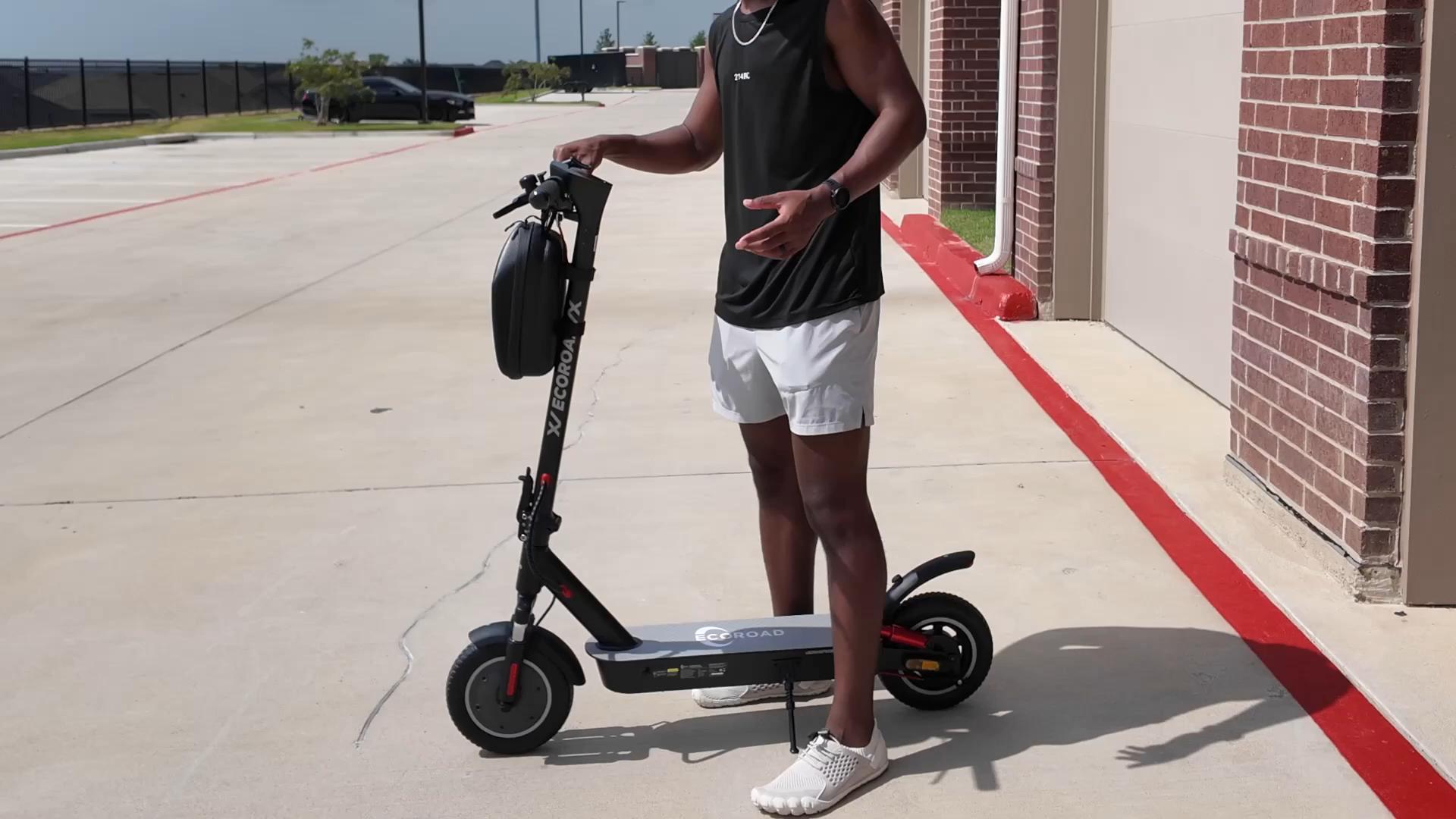
A scooter’s listed range is not a promise for every ride. Hills, speed, rider weight, tire condition, wind, cold weather, and stop-and-go riding can all reduce range.
The ECOROAD EC9 Electric Scooter lists a 500W motor, 35 km/h top speed, 50 km range, and 120 kg max load. The ECOROAD EC10 Electric Scooter lists a 750W motor, 40 km/h top speed, 56 km range, and 120 kg max load.
Mistake 7: Skipping Lights and Visibility
Riders often deal with cloudy days, early sunsets, rain, fog, and shaded paths. Visibility matters.
Use front and rear lights, wear visible clothing, and avoid sudden movements near traffic or pedestrians.
Do not assume people see you. Assume they are busy, distracted, or emotionally committed to not checking the bike lane. Then ride predictably.
Mistake 8: Forgetting Pre-Ride Checks
Before riding, check the brakes, tires, battery, lights, throttle, display, and folding latch. This takes less than a minute.
If the scooter feels different, sounds different, or stops differently, pause the ride and inspect it.
Mistake 9: Poor Storage Planning
Beginners often think about the ride but forget storage. Where will the scooter go at work, school, home, or during winter?
If you live in a condo or apartment, check building rules. If you bring the scooter into an office, ask about storage and charging. If you combine it with transit, make sure the scooter is manageable to carry and fold.
ECOROAD’s guide to foldable electric scooter design is useful for riders thinking about portability and daily storage.
Make Riding Easier One Habit at a Time
Electric scooter beginner mistakes are normal, but they are also fixable. Start slowly, practise braking, check tires, plan calmer routes, use lights, and give the battery more buffer than you think you need.
Once those habits become automatic, the scooter feels easier, smoother, and safer. The goal is not to look like an expert immediately. The goal is to ride in a way that gets you home comfortably, with your dignity and knees both intact.
What New Riders Usually Ask
What are the most common electric scooter beginner mistakes?
Common mistakes include riding too fast, braking late, ignoring tires, choosing stressful routes, skipping lights, and underestimating range.
How fast should beginners ride?
Beginners should start slowly and increase speed only after learning braking, balance, turning, and route awareness.
Can I ride an electric scooter on sidewalks?
It depends on the city. Many places restrict sidewalk riding, so check local bylaws before riding.
Why does my scooter range change?
Range can change because of cold weather, hills, rider weight, speed, tire condition, and stop-and-go riding.
What should I check before riding?
Check brakes, tires, battery, lights, throttle, display, folding latch, and route conditions.