
Start With the Heat Load
The best way to avoid electric scooter overheating is to reduce the strain placed on the battery, motor, controller, tires, and brakes. In practical terms, that means riding smoothly, avoiding long full-speed runs in extreme heat, keeping tire pressure correct, charging in cooler conditions, storing the scooter out of direct sun, and letting it cool after demanding rides.
Summers may be shorter than in some countries, but heat still matters. Toronto, Montreal, Ottawa, Calgary, Vancouver, Winnipeg, and Halifax can all see hot days, humid afternoons, sudden storms, and busy summer paths. A scooter that feels fine in May may work harder during a July heat wave.
Overheating prevention is not complicated. It is mostly about not forcing the scooter to fight heat, hills, low tire pressure, and aggressive riding all at once.
Know the Warning Signs

Electric scooters may respond to overheating by reducing power, slowing down, showing an error warning, or shutting off temporarily. You may also notice weaker acceleration, shorter range, a hot battery area, or a motor that feels warmer than usual.
If this happens, stop riding and move the scooter under the shade. Turn it off and let it cool naturally. Do not keep riding up hills or through traffic while the scooter is clearly struggling.
A brief pause is much better than creating a bigger electrical or battery issue. Very glamorous? No. Sensible? Absolutely.
Avoid Long Full-Speed Riding in Heat
High speed uses more energy and creates more heat. On a cool day, that may not be a major issue. On a 30°C day, especially with direct sun and hot pavement, long full-speed riding can raise internal temperatures faster.
Use a moderate speed mode in hot weather. Accelerate smoothly and avoid hard launches from every stop. Ride within local rules and match your speed to the path, road, and traffic around you.
The ECOROAD EC10 Electric Scooter lists a 750W motor, up to 40 km/h top speed, up to 56 km range, 10-inch all-terrain tires, and a 120 kg max load. It is a practical commuter-style option, but like any scooter, it performs best when not pushed hard in peak heat all day.
Watch Hills, Wind, and Extra Weight
Hills are one of the fastest ways to make a scooter work harder. Add warm weather, a backpack, groceries, headwind, or low tire pressure, and the motor has to do more work for the same trip.
If your route includes long climbs, use steady throttle and avoid sudden acceleration. Vancouver hills, Hamilton escarpment routes, Halifax streets, and parts of Quebec City can all test a scooter more than a flat commute.
For riders who regularly handle hills or longer routes, the ECOROAD ES6 Electric Scooter lists a 1000W motor, up to 50 km/h top speed, up to 64 km range, 10-inch off-road tires, and a 150 kg max load. Extra power and range can help reduce strain when the route is demanding.
Keep Tire Pressure Correct
Low tire pressure makes the scooter harder to roll. That increases motor effort, reduces range, and can contribute to overheating during longer rides.
Check tire pressure regularly and follow the recommended range for your scooter. Do not rely on feeling alone. A tire can look fine and still be low. Hot pavement and temperature changes can also affect how the scooter handles.
Charge Carefully During Hot Weather
Charging a hot battery can add unnecessary stress. After a long ride in warm weather, let the scooter cool before plugging it in. Charge in a cool, dry area when possible.
Avoid charging in direct sun, in a hot vehicle, or in a poorly ventilated storage area. Use the original charger and disconnect once charging is complete.
A good summer habit is simple: ride, cool, charge. That order keeps things calmer.
Store the Scooter Away From Direct Sun
A scooter left in direct sun can heat up before the ride even begins. The deck, display, grips, battery area, tires, and electronics can all become warmer than ideal.
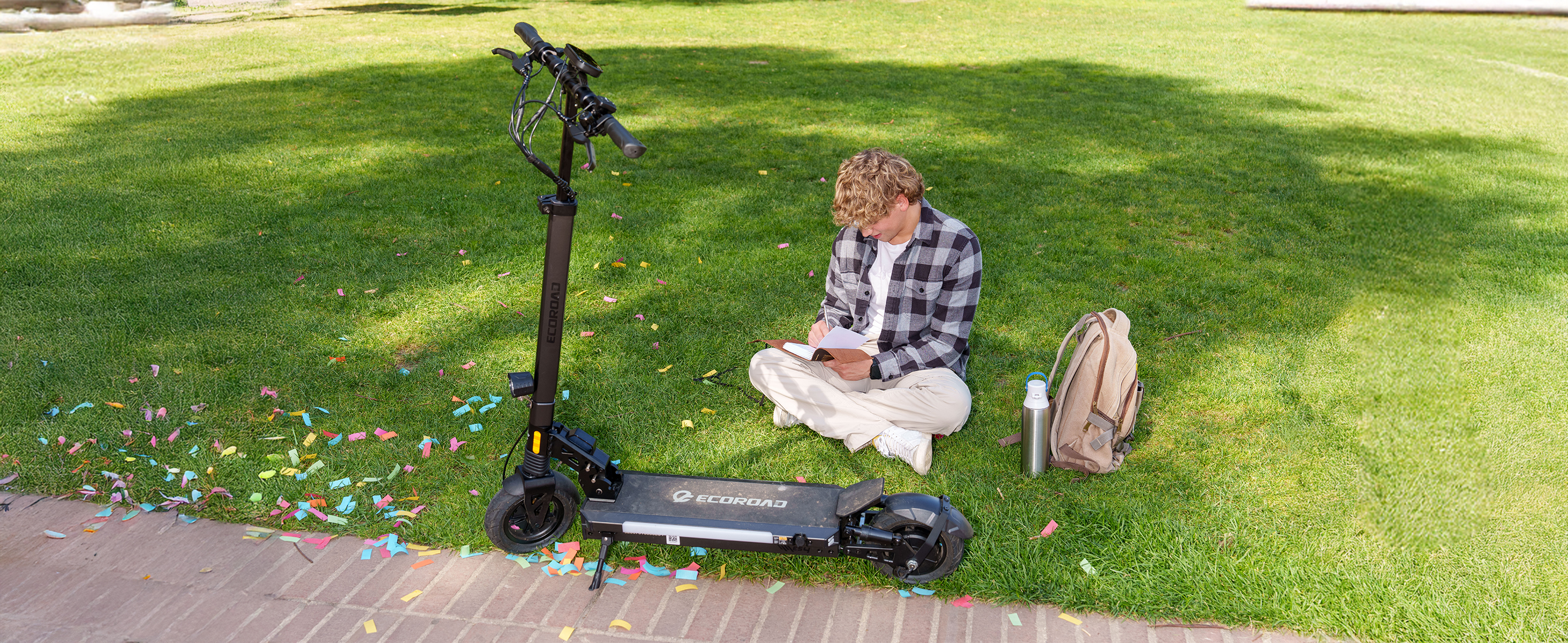
At home, store the scooter indoors, in a shaded garage, or in a cooler storage area. At work, bring it inside if allowed. If you must lock it outside, choose shade and avoid leaving it on hot pavement for long periods.
The ECOROAD ES4 Electric Scooter lists an 800W motor, up to 40 km/h top speed, up to 56 km range, 8.5-inch off-road tires, dual suspension, and a 150 kg max load. Those features help with daily riding, but proper storage still matters for long-term care.
Plan Routes That Reduce Heat Stress
A smart route can help prevent overheating. Choose smoother roads, shaded streets, protected bike lanes, and paths with fewer long climbs where possible.
In Toronto, that might mean choosing calmer neighbourhood streets instead of exposed major roads. In Vancouver, greenways may feel better than traffic-heavy hills during hot afternoons. In Montreal, protected bike lanes can reduce stop-and-go stress. In Calgary or Edmonton, open paths can be windy and exposed, so timing matters.
Maintain Brakes and Moving Parts
A poorly maintained scooter has to work harder. Dragging brakes, underinflated tires, loose bolts, dirty components, or worn parts can all affect efficiency.
Before regular summer rides, check brake feel, tire pressure, lights, folding latch, battery level, and any unusual noises. If the wheel does not spin freely, inspect the brakes before riding. Dragging brake parts can add resistance and heat.
Choose a Scooter That Fits the Route
Overheating is more likely when a scooter is constantly pushed near its limits. If your ride includes hills, rough pavement, longer distances, and warm weather, choose a model with enough power and range margin.
The ECOROAD EC9 Electric Scooter lists a 500W motor, up to 35 km/h top speed, up to 50 km range, and a 120 kg max load. It can fit lighter city riding. For more demanding routes, the ES4 and ES6 offer stronger specs and higher load capacity.
Do not choose by top speed alone. For overheating prevention, range buffer, motor strength, tire condition, rider weight capacity, and braking control all matter.
Give the Scooter Time to Cool
After a long ride, especially in summer heat, let the scooter rest before charging or riding again. Park it in shade, turn it off, and let the battery and motor cool naturally.
If the scooter has reduced power or feels unusually hot, wait longer. Avoid pouring water on hot components or trying to cool the scooter too quickly. Calm cooling is the safer choice.
Keep the Ride Cool and Predictable
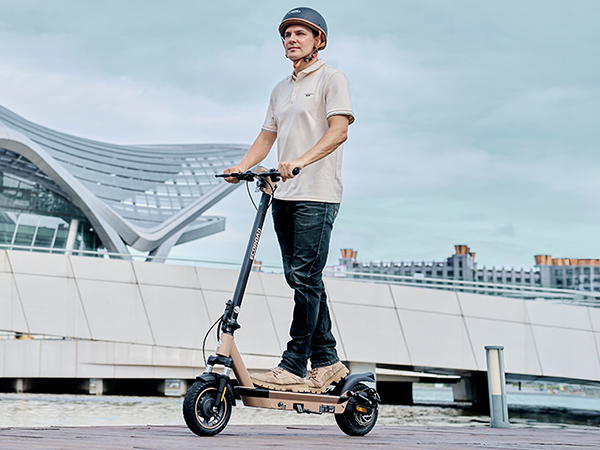
Electric scooter overheating is usually preventable. Ride smoothly, avoid long full-speed runs in extreme heat, keep tires properly inflated, charge after the scooter cools, and store it away from direct sun.
The right habits protect the battery, motor, range, and overall ride quality. Summer riding should feel easy and useful, not like a tiny electrical sauna on wheels.
What Hot-Weather Riders Usually Ask
What causes electric scooters to overheat?
Common causes include high heat, hills, heavy loads, low tire pressure, aggressive riding, long full-speed rides, and poor charging habits.
Can I ride my scooter during a heat wave?
You can, but it is better to ride gently, avoid peak heat, choose shade, keep tires inflated, and stop if the scooter loses power or feels too hot.
Should I charge my scooter after a hot ride?
Let it cool first. Charging a hot battery can add stress, especially after a long ride or hill climb.
Can low tire pressure make overheating worse?
Yes. Low tire pressure increases rolling resistance, making the motor work harder and reducing range.
What should I do if my scooter overheats?
Stop riding, turn it off, move it to shade, and let it cool naturally. Do not charge it until it has cooled.