
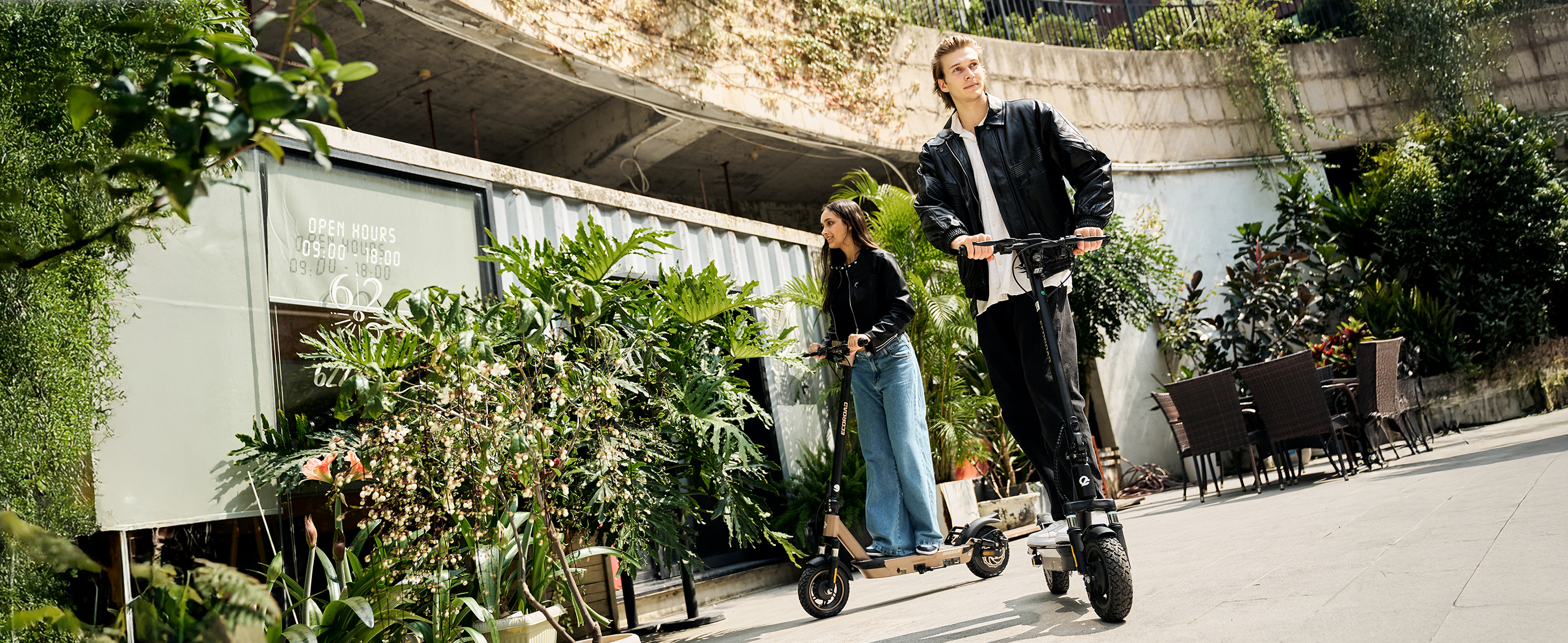
Understand the Battery Before You Plan the Ride
Electric scooter batteries usually last for years when they are charged correctly, stored properly, and not pushed to empty every day. For riders, battery performance also depends on temperature, route distance, hills, rider weight, speed, tire condition, and how often the scooter is used.
That matters if you ride in Vancouver rain, Toronto traffic, Calgary pathways, Montreal bike lanes, or a university area in Waterloo. A scooter battery may perform differently on a mild summer day than it does on a chilly spring morning. Cold weather can reduce range, so riders should plan with a larger buffer.
ECOROAD’s electric scooter collection includes models with different range, power, and weight profiles. Choosing the right battery size starts with understanding your normal route.
Battery Lifespan Is Different From Range
Battery lifespan means how long the battery remains useful over months and years. Range means how far the scooter can travel on one charge. A battery can still work after years of riding, but its range may slowly decrease as it ages.
This gradual change is normal. What riders want to avoid is unnecessary stress that shortens battery health faster than it should.
Frequent full drains, extreme temperatures, improper charging, poor storage, and heavy riding can all affect battery life. Good habits help keep range steadier for longer.
Why Real-World Range Changes
-0.jpg?w=600&h=450)
The range listed on a scooter product page is usually measured under favourable conditions. Real riding is rarely that tidy. Hills, wind, rider weight, colder weather, rough pavement, stop-and-go traffic, and higher speed can all reduce actual range.
The ECOROAD EC6 Electric Scooter lists a 400W peak motor, 30 km/h top speed, 24 km range, and 11.5 kg weight. That can be practical for shorter commutes, transit connections, or campus riding.
The ECOROAD EC9 Electric Scooter lists a 500W motor, 35 km/h top speed, 50 km range, and 120 kg max load. Riders with longer routes or extra errands may appreciate the added range.
Cold Weather Can Reduce Battery Performance
Cold temperatures can temporarily reduce battery performance. The scooter may still ride normally, but range can drop. This is especially important in late fall, winter, and early spring.
If you ride in cooler weather, store and charge the scooter indoors when possible. Avoid leaving it outside for long periods in freezing conditions. Let the scooter warm up indoors before charging if it has been very cold.
This is not about babying the battery like royalty. It is just chemistry doing chemistry. Batteries prefer moderate conditions, and they get grumpy when the weather does.
Charge Before the Battery Is Nearly Empty
For daily riding, avoid making full battery drains a habit. It is better to recharge before the battery is almost empty, especially if you rely on the scooter for commuting.
If your round trip is 12 km, do not choose a scooter or charging routine that leaves you arriving home with almost nothing left. A healthy buffer helps with detours, wind, cold weather, or an unexpected stop.
The ECOROAD EC10 Electric Scooter lists a 750W motor, 40 km/h top speed, 56 km range, and 120 kg max load. That extra range can be useful for riders who want more flexibility than a short-trip scooter provides.
Use the Correct Charger
Use the charger designed for your scooter. A mismatched charger can damage the battery or create safety risks. Charge in a dry indoor area with good airflow, away from moisture and extreme temperatures.
If you ride in the rain, let the scooter dry before charging. Check that the charging port is dry and clean. Do not force a connector that does not fit smoothly.
Condo, apartment, office, and school buildings may also have their own rules about charging electric mobility devices. If you commute regularly, check those policies before depending on workplace charging.
Tires, Brakes, and Range Are Connected
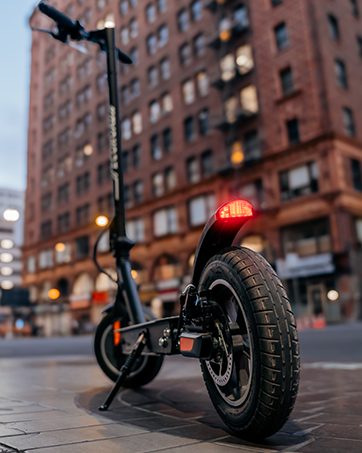
Battery range is not only about the battery. If tires are low, worn, or damaged, the scooter may use more energy. If brakes rub, the motor works harder. If the scooter is dirty or carrying extra weight, efficiency can drop.
ECOROAD’s guide on why brakes are the most important feature on an electric scooter is useful here because brake condition affects both safety and ride feel.
Tires matter too. ECOROAD’s article on light off-road tire scooters in city riding helps explain why tire design and road comfort matter for daily riding, especially on rough pavement or mixed surfaces.
Ride Smoothly to Save Battery
Smooth riding helps range. Hard acceleration, frequent full-throttle bursts, high speeds, and sudden braking all use more energy. A calmer riding style can stretch a charge further.
Use a lower riding mode when you do not need maximum speed. Avoid unnecessary fast starts from every stop. Plan routes with fewer steep hills when possible. In cities like Vancouver, Hamilton, Calgary, or Halifax, even small route changes can affect battery use if hills are involved.
The ECOROAD ES4 Electric Scooter lists an 800W motor, 40 km/h top speed, 56 km range, 8.5-inch off-road tires, and 150 kg max load. Riders using stronger scooters should still use smooth throttle and braking habits to protect range.
Store the Scooter Properly
Storage affects battery life. Keep the scooter dry, avoid extreme cold or heat, and do not store it with a completely drained battery for long periods.
If you will not ride for several weeks, check the manual for storage guidance. In general, a partially charged battery stored indoors is better than a battery left empty in a cold garage or shed.
Foldable scooters can be easier to bring indoors, which helps protect the battery. ECOROAD’s article on foldable electric scooter design is relevant for riders who live in condos, apartments, or shared spaces.
Choose Range Around Your Real Commute
Before buying or planning a charging routine, calculate your full round trip in kilometers. Add errands, hills, wind, colder days, and a battery reserve.
For short trips, EC8 may be enough. For longer commutes, EC9, EC10, or ES4 may offer a better buffer. The best choice is not simply the biggest number; it is the range that fits your real riding habits.
ECOROAD’s article on electric scooter vs. car commute savings is useful if you are thinking about replacing more short car trips with scooter rides.
Keep Your Battery Reliable Longer
Electric scooter batteries last longer when riders charge thoughtfully, store the scooter indoors when possible, avoid frequent full drains, and ride smoothly. Riders should also respect cold weather and keep a range buffer for temperature changes.
A well-cared-for battery makes daily riding easier. You spend less time worrying about whether you will make it home and more time enjoying the quiet little victory of skipping traffic.
What Scooter Riders Usually Ask
How long do electric scooter batteries last?
Most scooter batteries can last several years with proper care, but lifespan depends on charging habits, temperature, storage, riding style, and battery quality.
Does cold weather reduce electric scooter range?
Yes. Cold weather can temporarily reduce battery performance and range. Store and charge indoors when possible.
Should I charge my scooter after every ride?
You can charge after regular rides, especially if you commute daily. Avoid leaving the battery fully drained for long periods.
How can I get more range from my scooter?
Ride smoothly, use lower speed modes when possible, keep tires maintained, avoid unnecessary weight, and choose routes with fewer steep hills.
Is it safe to charge a scooter after riding in the rain?
Let the scooter dry first and make sure the charging port is dry. Charge indoors in a dry area using the correct charger.