
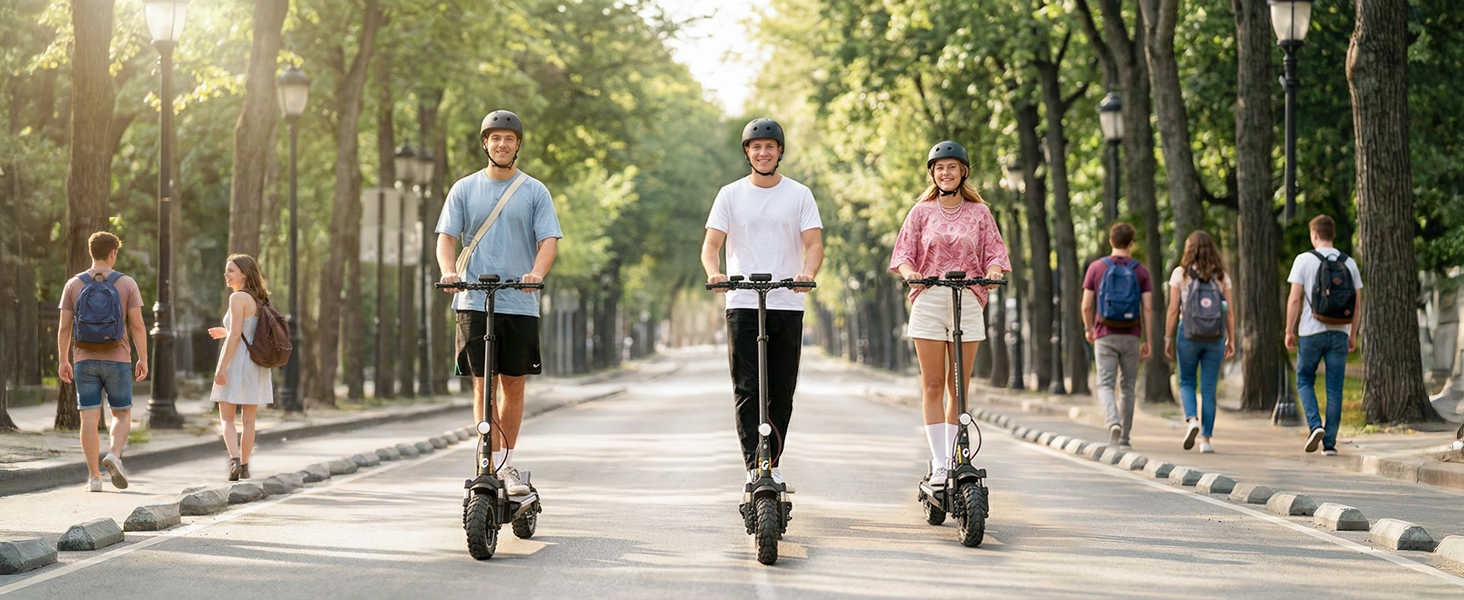
What Makes an Electric Scooter Beginner-Friendly?
The best electric scooter for beginners is one with reliable brakes, comfortable handling, enough range for your daily route, good lights, and a design that fits your storage and commuting needs. New riders should focus on control and safety before speed, especially on city streets, shared paths, and rough pavement.
Electric scooters can be useful for short commutes, school, errands, and first-mile or last-mile trips to transit. But your first scooter should match your actual routine. A beginner riding 3 km to a bus stop does not need the same scooter as someone riding 15 km across mixed streets and hills.
ECOROAD offers commuter-friendly models through its electric scooter collection, including lighter city scooters and more capable models for longer rides.
Start With How You Plan to Ride
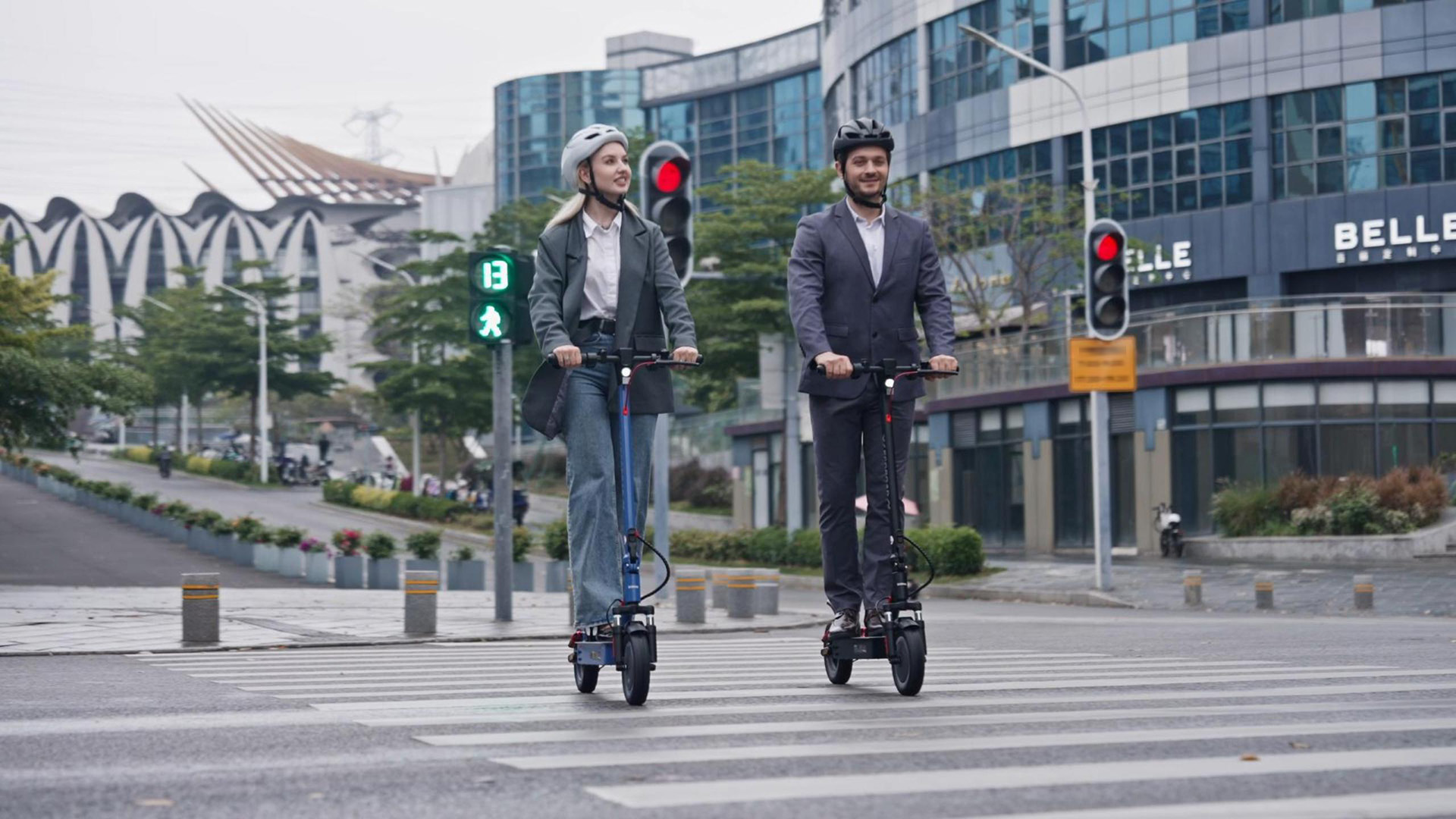
Before choosing a scooter, think about your normal trip. This helps you avoid buying too much scooter or too little scooter.
Ask yourself:
-
How many kilometers will I ride per day?
-
Will I ride on bike lanes, quiet streets, or mixed-use paths?
-
Do I need to carry the scooter up stairs?
-
Will I store it in a condo, apartment, classroom, or office?
-
Will I ride during darker winter mornings or evenings?
-
Are electric scooters allowed where I plan to ride?
For riders who want a little more power and range, the ECOROAD EC10 Electric Scooter lists a 750W motor, 25 mph top speed, and 35-mile range.
Choose Enough Range for Real Conditions
Range is important, but beginners should not treat the listed number as a guarantee for every ride. Real-world range can change because of rider weight, hills, wind, temperature, tire condition, speed, and frequent stopping.
Cold weather can also reduce battery performance. That does not mean you cannot ride in cooler weather, but it does mean you should leave a larger battery buffer.
A practical beginner rule is to finish your trip with at least 20% battery left. If your daily ride is 12 km total, a scooter with a much higher listed range gives you room for detours and colder days.
Make Braking a Top Priority
Brakes matter more than top speed, especially for beginners. When you are still learning balance, turning, and traffic awareness, you need the scooter to slow down smoothly and predictably.
Strong braking helps when:
-
A pedestrian steps into your path
-
A car turns across a bike lane
-
A path becomes crowded
-
The road is wet
-
You are riding downhill
-
You hit gravel or uneven pavement
ECOROAD’s guide on why brakes are the most important feature on an electric scooter is worth reading before your first ride because braking distance and control are key parts of scooter safety.
Think About Tires and Pavement Quality
Streets are not always smooth. Potholes, cracks, road salt damage, construction zones, wet leaves, and rough bike lanes can all affect how stable a scooter feels.
Tires influence:
-
Comfort
-
Grip
-
Vibration
-
Stability
-
Maintenance
-
Control on rough pavement
For smoother streets and short commutes, a city scooter may be enough. For rougher roads, riders may prefer larger tires or light all-terrain features. ECOROAD’s article about light off-road tire scooters in city riding is useful for beginners who want to understand how tire design affects everyday comfort.
Do Not Chase Speed Too Early
A high top speed can sound impressive, but beginners should care more about smooth acceleration and easy handling. A scooter that feels too quick can make first rides stressful.
Start in a lower speed mode if available. Practice in a quiet parking lot, empty path, or calm residential street before riding near traffic. Learn how the scooter accelerates, how long it takes to stop, and how it turns at low speed.
The ECOROAD ES4 Electric Scooter lists an 800W motor, 40 km/h top speed, 56 km range, and 150 kg max load. Those specs can support daily commuting, but beginners should still build skill gradually.
Check Local Rules in Your City
-0.jpg?w=600&h=450)
Electric scooter rules can vary by province and municipality. Some cities allow personal e-scooters under specific conditions. Others may limit where they can be used.
Before your first ride, check your local rules for:
-
Sidewalk riding
-
Bike lane access
-
Multi-use path access
-
Speed limits
-
Helmet requirements
-
Age restrictions
-
Lighting requirements
-
Parking rules
Do not assume rules are the same across Toronto, Vancouver, Calgary, Montreal, Ottawa, or smaller cities. If you are writing or riding locally, check official municipal guidance before making claims.
Look for Good Lights and Visibility
Visibility matters, especially during shorter winter days. Beginners should choose a scooter with good lights and should also wear visible clothing when riding early, late, or in poor weather.
Useful visibility habits include:
-
Turn lights on before dusk
-
Wear reflective details
-
Use a backpack light if needed
-
Avoid dark clothing at night
-
Signal clearly before turning
-
Slow down in crowded areas
Being visible is not just about night riding. It helps drivers and cyclists notice you sooner during the day too.
Make Sure It Fits Your Storage Needs
A beginner scooter should be easy to live with. If it is too heavy, hard to fold, or awkward to store, you may stop using it.
Think about:
-
Condo or apartment storage
-
Office or school storage
-
Transit connections
-
Stairs and elevators
-
Car trunk space
-
Indoor charging access
Foldable scooters are useful for riders who need compact storage. ECOROAD’s article on foldable electric scooter design is a helpful read for beginners comparing portability and daily convenience.
First-Ride Checklist for Beginners
Before your first ride, check:
-
Battery level: Make sure you have enough charge for the full trip.
-
Brakes: Test them slowly before riding in traffic.
-
Tires: Look for damage, wear, or debris.
-
Lights: Confirm front and rear lights work.
-
Folding latch: Make sure the scooter is locked open.
-
Weather: Avoid ice, heavy rain, or poor visibility.
-
Route: Start with quiet streets, bike lanes, or allowed paths.
-
Gear: Wear a helmet and closed-toe shoes.
Cold, wet, or windy conditions can make a scooter harder to control. For your first rides, choose dry weather and a simple route.
Your First E-Scooter Should Build Confidence
The best electric scooter for beginners is practical, comfortable, and easy to control. Range, brakes, tires, lighting, and storage matter more than top speed. A beginner-friendly scooter should help you feel confident while giving you enough battery for real daily trips.
For short rides, models like the EC8 and EC9 can make sense. For longer commutes or riders who want more range, the EC10 or ES4 may be better fits. The right choice depends on your route, local rules, storage space, and comfort level. Start slow, check your scooter before every ride, and build safe habits before riding in busier areas.
What New Riders Usually Ask
What is the best electric scooter for beginners?
A good beginner scooter has reliable brakes, steady handling, enough range in kilometers for daily trips, bright lights, and a manageable size for storage.
How much range should a beginner look for?
Choose more range than your exact route needs. If your daily trip is 10-15 km, a scooter listed at 34-56 km gives a better safety buffer.
Can beginners ride electric scooters on sidewalks?
It depends on the city. Many places restrict sidewalk riding, so check your local municipal rules before riding.
Do beginners need a helmet?
Yes. Helmet rules vary, but wearing one is strongly recommended for every ride.
What weather is best for a first scooter ride?
Dry weather with good visibility is best. Avoid ice, heavy rain, deep puddles, and slippery leaves while learning.